Stop Saving Your Good Clothes

There’s a dress at the back of your closet you’re waiting to deserve.
Maybe it’s not a dress. Maybe it’s the coat that feels like too much for a Tuesday, the heels that need an occasion, the necklace that hangs to your navel and announces itself. You bought these things because they moved you. Then you filed them under someday and went out in the uniform again.
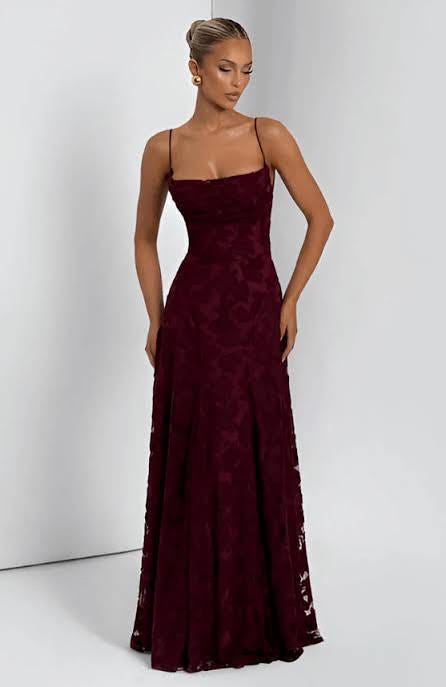
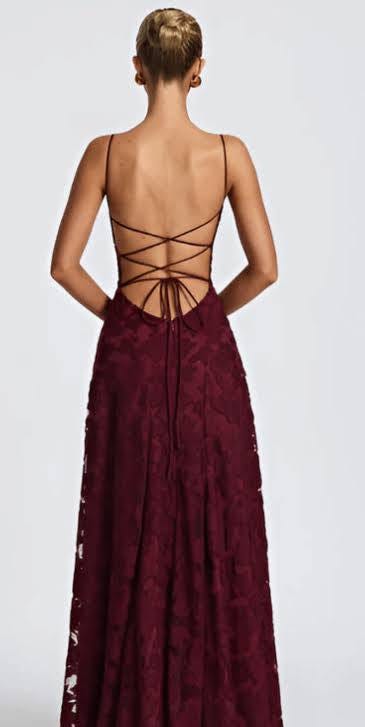
Ask why. Not rhetorically. Actually sit with it. What event are you saving it for that your ordinary life doesn’t qualify for? You’re rationing your own presence and calling it restraint.
The fix is one decision, and you can make it today: wear the good thing to the grocery store.
That’s the whole first move. Put on the piece you’ve been protecting and take it somewhere unremarkable. Pearls in the tinned-food aisle. The textured coat to pick up a prescription. You’ll feel absurd for about four minutes. Then you’ll feel like yourself, turned up. People will look. Let them.
This has a name. A stylist I trust calls it your highest errand look — dressing to your top level of presentation in whatever the moment happens to be, no matter how small the moment is. It reclaims the boring parts of a day as places you get to look like you mean it.
One woman who lives this way plans her looks in advance so the choice never catches her flat. Six anchor outfits a month, a few fillers, and she never stands in front of the closet negotiating with herself. Dressing up stopped being a special event and became a habit. That’s the goal. A habit doesn’t ask permission.
Here’s what most people miss: showing up dressed isn’t about the expensive piece. It’s a skill, and skills have mechanics. The reframe gets you moving. The method makes it repeatable — how to build tension into a look so it reads as deliberate instead of costume, how to interrogate your own taste so you stop copying and start choosing, and how to dress up on the days you feel like nothing.
That’s the part below.
The System
1. Build one point of tension
A look that matches too neatly reads as an outfit someone assembled. A look with one deliberate clash reads as a decision. You want the second one.
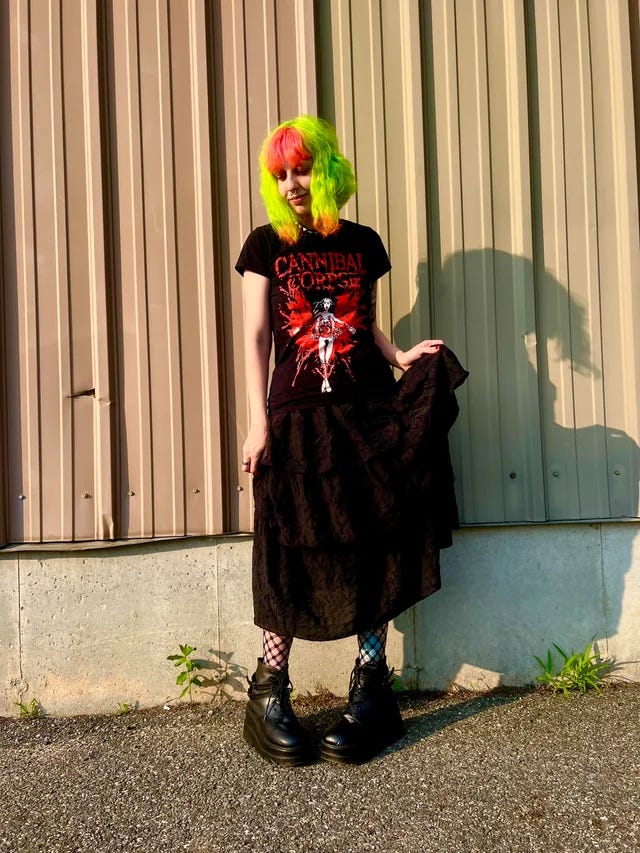
Take something soft and interrupt it. Kitten heels under leggings. A rosette pinned to a stiff, serious jacket. A band tee with a prim sheer skirt. Sequins in daylight. The interruption is the whole trick — two things that shouldn’t agree, made to agree by you. Aim for one clash per look, not five. More than one and you lose the read.
You already own the tools for this. Color, shape, texture — pull the tension from your existing wardrobe before you buy anything. An accessory does the fastest work here. A brooch turns a plain sweater ornate. Gloves refine a mundane top. A length of lace tied at the waist changes the entire register of a look you’ve worn a hundred times.
2. Interrogate why you like what you like
Copying the looks you save on your phone gets you a costume. Understanding why those looks pull you gets you a style.
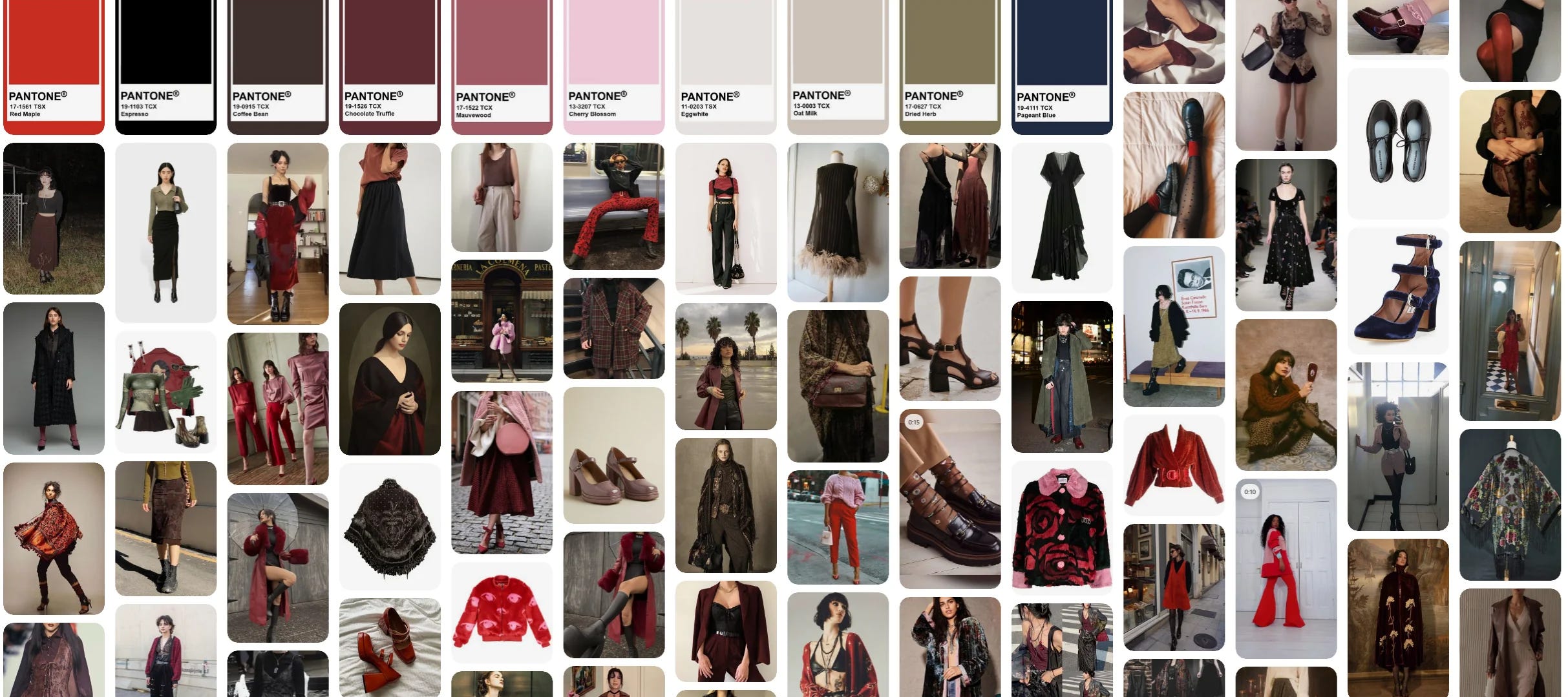
Pick three images you keep returning to. Don’t recreate them. Study them. What’s the actual mechanism — the proportion, the color pairing, the one strange element? Name it. Once you can name it, you can use it on your own body with your own clothes, and it stops being someone else’s outfit.
